How Big Trucks Really Work
Heavy Duty Journals explores how heavy trucks are engineered and how they got here: drivetrain technology, landmark models, industry shifts and the future of freight.
 Industry
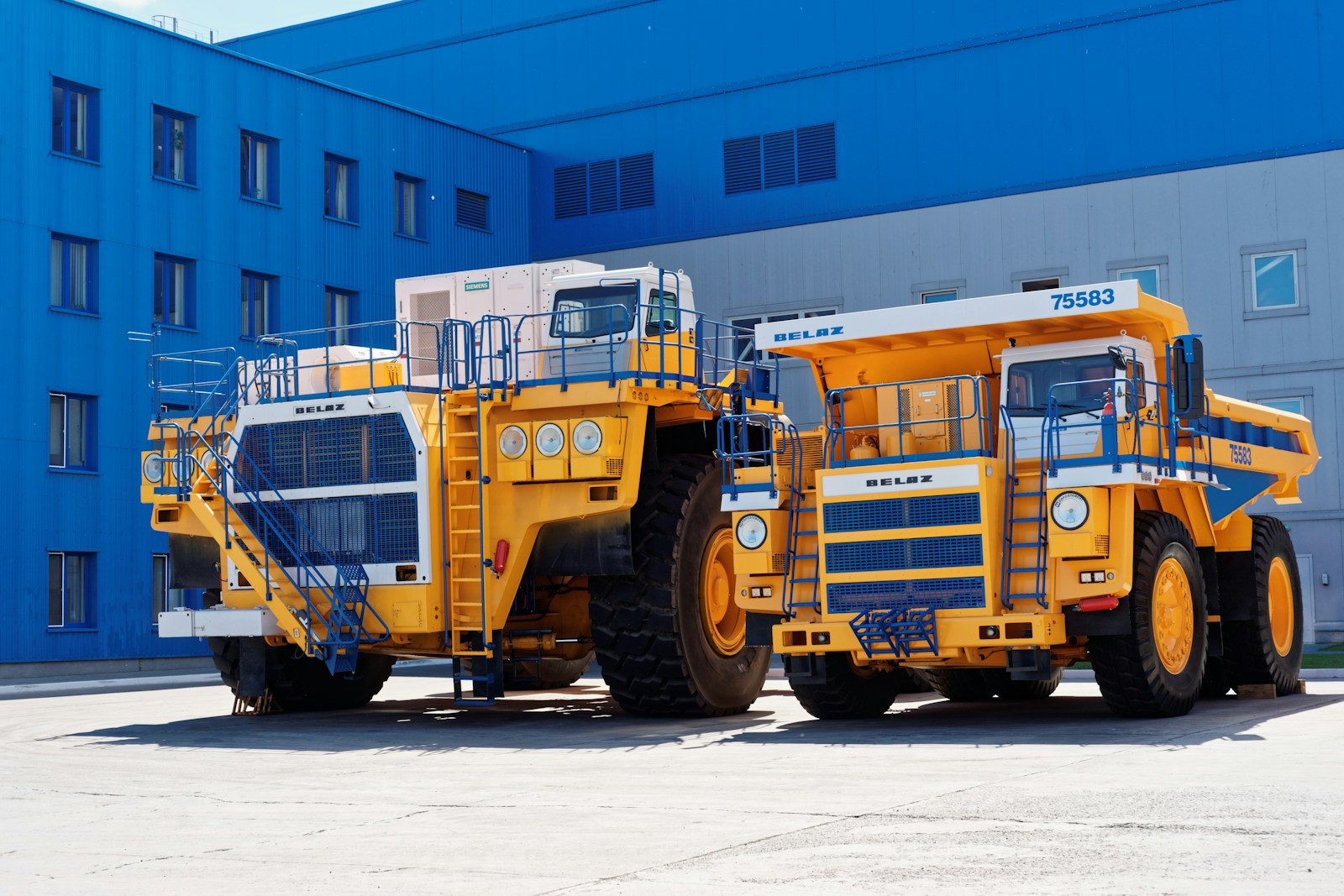
EPA 2023 Rule Cut 150 hp From New Heavy‑Truck Engines
You’ll see how the 2023 EPA emissions rule forced a dramatic redesign of diesel powertrains, and why most how‑to guides miss the ripple through chassis, cooling and warranty costs. The article pulls apart the engineering trade‑offs that most articles gloss over.
 Engineering
Why Cutting 15% of Rivets Saved Truck Builders 5 M
You’ll see how every bolt, welding arc, and robot cell reshaped the economics of heavy‑truck engineering. Most guides stop at the latest tech, ignoring the legacy processes that still dictate cost and compliance.
 Future of Freight
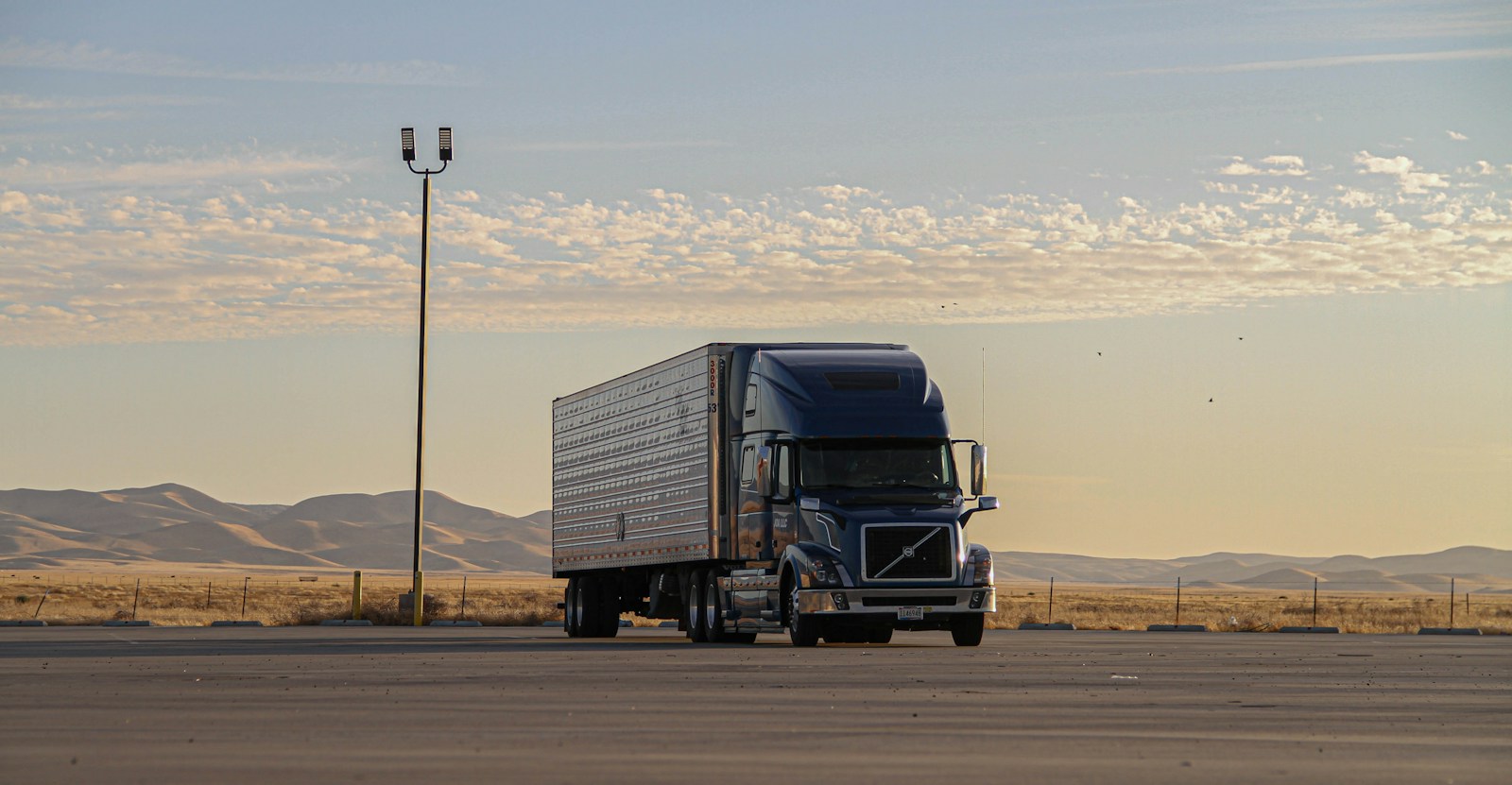
Why Battery Packs Stall Class 8 Electrification
You’ll see the real cost drivers and engineering snags that keep electric Class 8 trucks from rolling off the lot. Most guides skim over battery weight, charging infrastructure, and the regulatory maze, leaving fleets with surprise expenses.
 Truck History
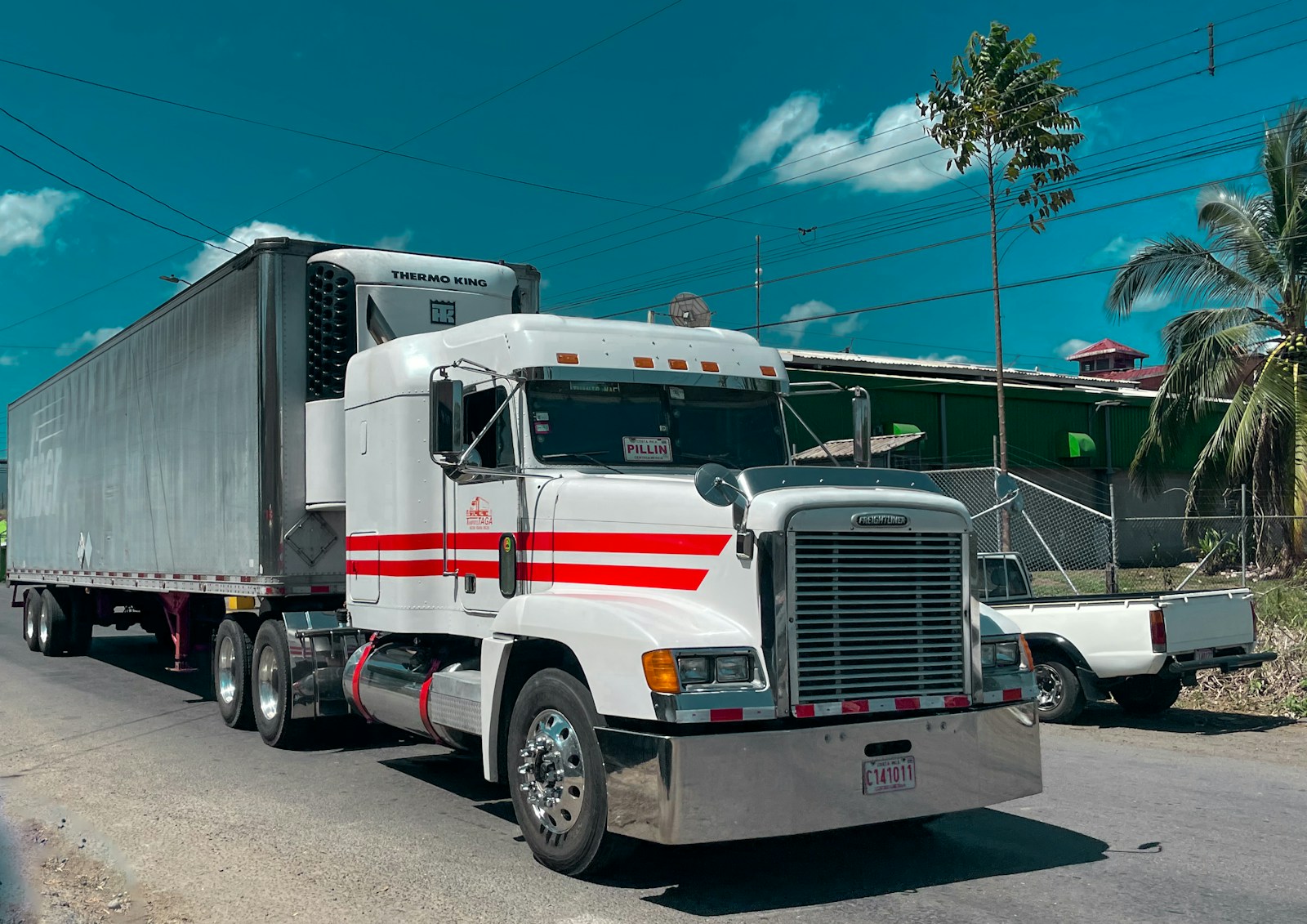
How Sleeper Cabs Vanished in a Decade
Readers discover the economic, regulatory, and engineering forces that birthed the 1970s sleeper‑cab craze and why most retrospectives miss the hidden cost spiral. The piece also shows how those forces echo in today’s rig designs.
 Industry
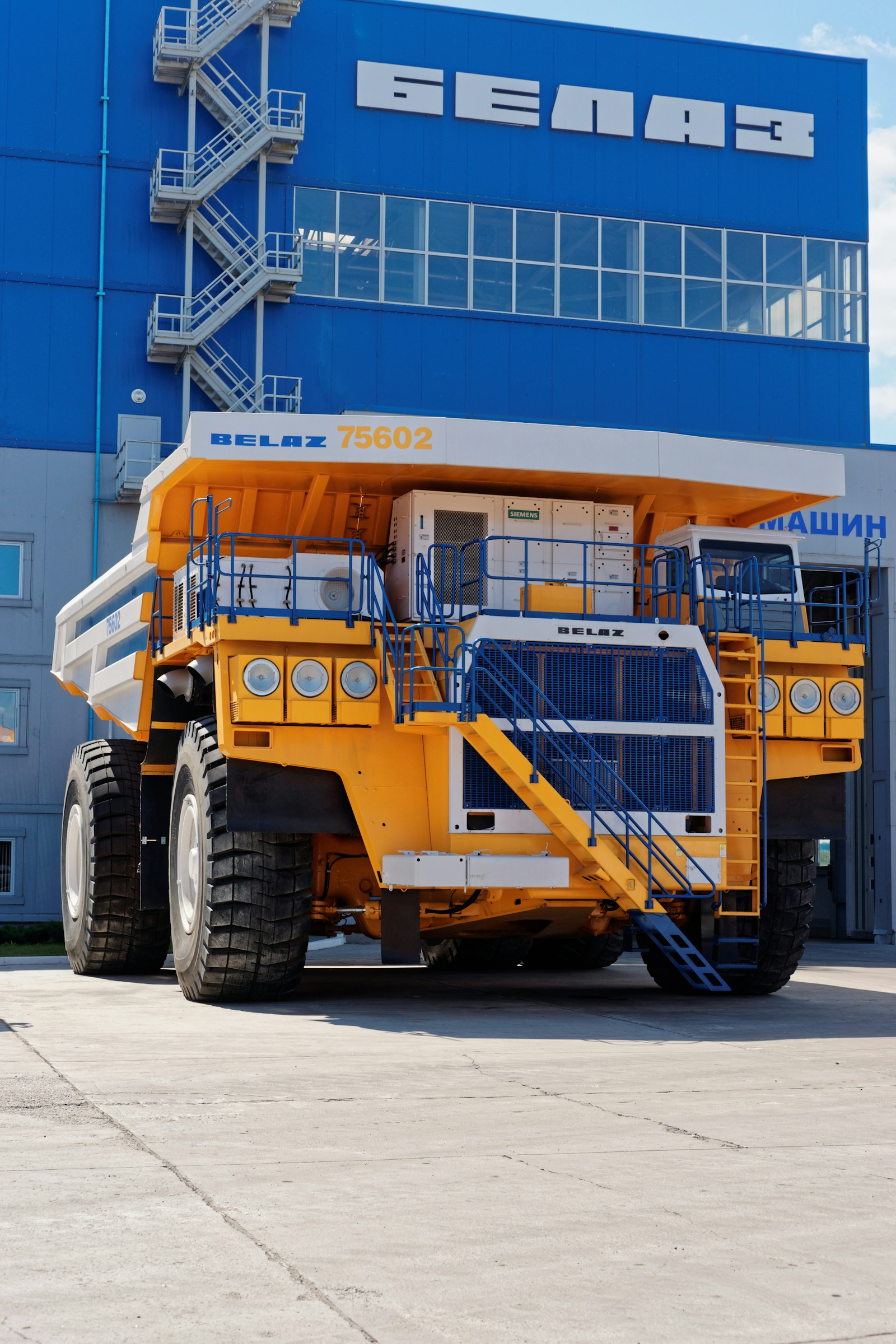
Why 70% of New Truck Budgets Go to Mack, Freightliner, Peterbilt
Readers discover how mergers, financing tricks, and driver trust keep the Big Three on top, and why most cost‑cutting guides miss the hidden levers. The piece shows where real savings hide and where they evaporate.
 Engineering
From 30% to 45%: Diesel Combustion’s Costly Evolution
You’ll see how combustion chemistry, turbo tech, and emissions rules reshaped diesel power. Most guides ignore the hidden cost spikes that appear every time a new pressure ceiling is introduced.